Flat Roof Leaks: Common Causes in Phoenix Metro and How Pros Handle Flat Roof Leak Repair
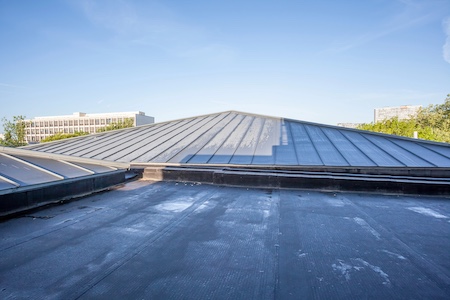
Flat roofs across Phoenix and Gilbert take a beating from the sun, heat, wind, and seasonal storms. If you’re seeing water spots or blistered coating, professional flat roof leak repair keeps small issues from turning into expensive damage.
Below, you’ll learn why flat roofs leak in the desert, where problems usually start, and how qualified technicians fix them for the long run. We’ll also cover smart maintenance that helps extend roof life in neighborhoods from Agritopia and Seville to Power Ranch and Val Vista Lakes.
Why Flat Roofs Leak in Phoenix Metro
Our desert climate is tough on roofing. Summer heat bakes materials all day, then evenings cool quickly. That constant expansion and contraction stresses seams, flashings, and coatings. Add monsoon gusts and wind-driven rain, and weaknesses get exposed fast.
Sun And UV Degradation
UV rays dry out roof membranes and coatings over time. On foam roofs, worn or chalking coatings can open tiny pathways for water. On TPO or modified bitumen, UV can make seams and laps brittle, so they pull apart under movement.
Monsoon-Driven Wind And Wind-Blown Debris
Late-summer storms push rain under loose edges and lift poorly bonded flashing. Gravel, twigs, and palm fronds can scrape coatings or clog scuppers, which makes ponding worse.
Ponding Water And Poor Drainage
Even a slight low spot collects water after a storm. If it sits for days, the weight stresses seams and encourages algae growth. Over time, the trapped moisture finds the path of least resistance into the building.
Common Leak Points On Foam, Modified Bitumen, And TPO Roofs
Leaks rarely come from the middle of a perfectly intact field of roofing. They usually start where materials change, fasteners penetrate, or water is supposed to exit.
- Parapet walls: hairline stucco cracks at the cap and base, plus flashing terminations that separate.
- Scuppers and drains: sealant shrinkage, clogged openings, or metal seams that split with movement.
- HVAC stands and conduit: deteriorated pitch pans, loose boots, or cracked mastic around supports.
- Foam blisters and coating pinholes: Sun-baked coatings thin out and expose foam to moisture.
- Membrane seams: on TPO and modified bitumen, heat cycles and foot traffic can open laps.
In older homes around the Heritage District or near SanTan Village, many flat roofs have layers from past repairs. If new materials weren’t tied into old ones correctly, water tracks along those interfaces until it appears inside.
How Pros Diagnose a Flat Roof Leak Without Guesswork
Finding the source is half the battle. Water often travels between layers and shows up far from the entry point. Experienced roofers follow a systematic process:
- History and interior check: map stains, ceiling cracks, or musty areas to establish a timeline.
- Surface inspection: examine parapets, laps, penetrations, and ponding areas for small clues.
- Moisture detection: Use meters or infrared as needed to confirm trapped moisture below the surface.
- Targeted test: controlled water testing isolates suspect details without soaking the whole roof.
Once the cause is confirmed, a tailored repair plan prevents repeat failures rather than masking symptoms.
Professional Repairs That Last in the Desert
Reliable fixes use compatible materials and focus on the detail that failed. Here’s how technicians address the most common issues on Phoenix-area flat roofs:
Foam Roof Repair and Recoating
Pros cut out wet foam, backfill with new foam, and feather the surface flush. Seams and transitions get reinforced mesh in mastic, then the area is topcoated for UV protection. When coatings have reached the end of their life, a larger foam roof repair zone or full recoat ensures even protection.
Membrane Seam Reinforcement
On TPO and modified bitumen, weak laps are cleaned, primed, and reinforced with manufacturer-approved tape or plies. Corners at skylights and stands often receive pre-formed patches shaped for movement so they don’t peel next summer.
Parapet And Scupper Restoration
Cracked parapet caps are sealed, then walls get a continuous flashing termination. Scuppers are re-sealed and sometimes lined to bridge expansion gaps. Restoring the exit path for water is critical to stop ponding from coming back.
If your roof is already showing stains or soft spots, scheduling professional roof repair early prevents moisture from spreading under the surface, where it’s harder to dry.
Prevention: Maintenance and Roof Coatings for Longer Life
Maintenance is the easiest way to add years to a flat roof in Gilbert. Seasonal checkups before the hottest months and again before monsoon season catch small issues early. For many roofs, a high-quality roof coating restores UV protection and adds reflectivity that helps reduce heat stress.
Coatings aren’t one-size-fits-all. The right product depends on your roof system, exposure, and condition. A trusted roofing company in Gilbert will evaluate details like parapet movement, ponding history, and foot traffic before recommending options.
Local Insight: Monsoon downpours can arrive quickly, often from late June through September. Keep roof debris off the surface and ensure scuppers and drains are clear before the first big storm to reduce ponding risk.
What Homeowners Notice Before a Leak Becomes Serious
Interior signs matter, but exterior clues tell the story sooner. Call a pro if you spot:
- Staining near ceiling edges or around can lights after windy rain.
- Blistered or peeling roof coating, especially around parapets and scuppers.
- Standing water that lingers more than a day after storms in areas like Power Ranch and Seville, where afternoon winds can push runoff back toward walls.
- Loose metal edges or exposed fasteners at rooftop equipment stands.
Never ignore active dripping or spreading ceiling stains during the monsoon season. Moisture can travel under the surface and affect framing, insulation, and finishes if it’s left alone.
How Pros Protect Repairs From Failing Again
Quality control makes the difference between a quick patch and a durable solution. Technicians clean and dry the substrate, round sharp corners, and use reinforcement at high-movement transitions. They match sealants and coatings to the roof type so the repair weathers at the same rate as the surrounding area.
After repairs, a documented maintenance plan sets the calendar for inspections before summer heat and before fall storms. Photos and notes help track wear so your roof stays ahead of problems from Agritopia’s tree debris to dust storms closer to the Loop 202.
When a Coating or Partial Restoration Makes Sense
If the roof is generally sound but UV protection is thin, a restoration approach can be the sweet spot. Pros address localized moisture, tighten seams, and then apply a compatible coating across the field. This approach improves reflectivity, helps manage thermal movement, and freshens the waterproofing layer without a full replacement.
Talk with your estimator about priorities like solar heat gain, foot traffic paths to HVAC, and any parapet cracking you’ve seen on the sunny south and west walls. Aligning the repair scope with how your home actually lives helps the work last.
Neighborhood And Seasonal Factors Around Gilbert
Homes with wide parapet walls near open areas can see stronger crosswinds that drive rain at odd angles. Roofs shaded by taller homes or palms can keep water from drying quickly after storms. In older subdivisions near the Heritage District, layered repairs from different eras may require a careful system approach so new materials tie in cleanly.
If you’re planning exterior paint or HVAC work, schedule roof evaluations first so penetrations, conduits, and wall-to-roof transitions are sealed in the right order. Coordinating trades prevents fresh sealant or coating from being disturbed.
Your Next Step
Whether you’re dealing with a sudden monsoon leak or slow, stubborn staining, an expert evaluation finds the source and stops it for good. The right plan blends targeted detail work with protective finishes so your flat roof stands up to sun and storms.
Ready to stop the leak and protect your home for the long run? Call Roof Tec Exterior Solutions LLC at 480-600-0092 to schedule a professional inspection today. Our team specializes in durable solutions for foam, modified bitumen, and TPO systems across the Phoenix area.
INVEST IN YOUR ROOF & PROTECT IT WITH OUR GILBERT ROOFING COMPANY. CONTACT US TODAY FOR A FREE ESTIMATE!