Gilbert Flat Roof Monsoon Prep: Scupper Drainage & Foam Coating Damage Checks
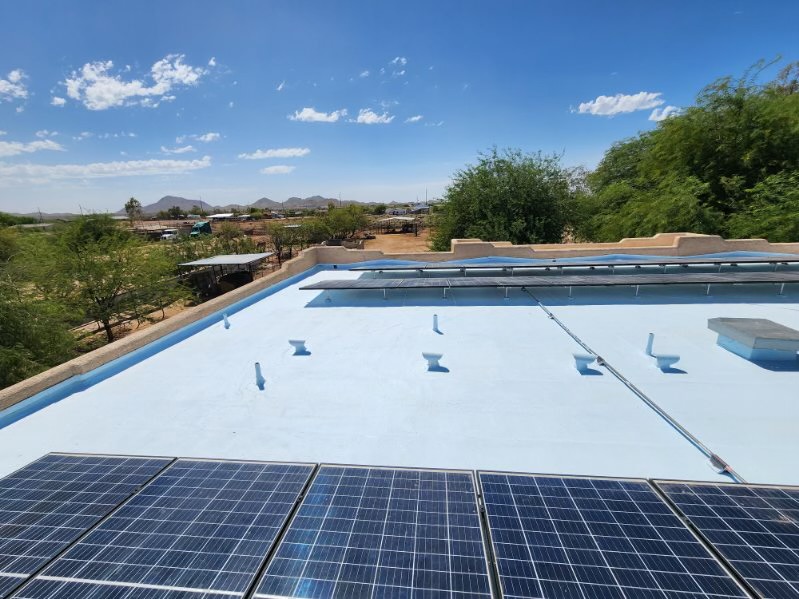
Summer storms in Gilbert arrive fast and dump water even faster. On flat and low-slope roofs, that sudden load creates hydrostatic pressure that pushes at seams, flashings, and scupper edges. Homes in Agritopia, Power Ranch, and nearby neighborhoods see water rise across the roof in minutes, so smart planning beats last‑second scrambling. If your home needs attention before the next outflow boundary hits, ask about professional roof repairs tailored for monsoon weather.
For quick education and service, start with this guide and then keep your gilbert flat roof monsoon prep on your radar through the season. We’ll explain how clogged parapet scuppers, degraded seams, and foam roof micro‑punctures from hail or flying debris become leaks, stains, and costly interior damage.
Why Flat Roof Drainage Fails In Monsoon Storms
Monsoon rain often falls in short, intense bursts. Flat and low-slope roofs rely on clean pathways to move that water off the surface. When debris blocks those paths, water ponds, and pressure builds against vulnerable points like parapet scuppers and roof-to-wall transitions.
- Wind-driven debris collects at parapet corners and scuppers, restricting flow just when you need it most.
- Older seams and coatings relax in heat, then face a sudden cold downdraft with rainfall, which stresses laps and edges.
- Hail or sharp debris makes tiny punctures in foam coatings that may go unnoticed until they widen under standing water.
Hydrostatic pressure can rise quickly on a warm, saturated roof, forcing water beneath blisters, into hairline fractures, and along fasteners. Once moisture gets below the surface, it can track laterally and show up far from the entry point.
Scupper Drainage Red Flags To Watch Before Heavy Rain
Parapet scuppers are your relief valves. When they restrict, the whole roof suffers. Homeowners don’t need to climb on the roof to notice warning signs. A careful walk‑around at ground level and a check inside the attic can reveal risk factors that deserve a professional visit.
- During a storm, sheets of water pour from one scupper while another side is quiet. That uneven discharge hints at partial blockage.
- Dark vertical staining beneath a scupper outlet or along the wall below it can signal slow overflow from prior storms.
- Musty smells or fresh staining on ceilings near exterior walls point to water backing up at scupper penetrations.
- Gutters or downspouts tied to scuppers that splash over frequently suggest the system is overwhelmed.
Do not climb a wet or windy roof. Monsoon gusts change direction fast, and surfaces get slick. Instead, note what you see and schedule a pro check so an experienced crew can evaluate scupper boxes, leaders, and transitions safely.
Local insight: monsoon microbursts in Gilbert can drop a month’s worth of rain in under an hour. That surge exposes the weakest point first, often a clogged scupper or a thin foam patch. Stay off the roof, document what you notice from the ground, and let a licensed crew handle the assessment.
Foam Roof Coating Damage From Hail And Debris
Foam roofs are popular across Gilbert for energy savings and seamless coverage. The protective coating shields the foam from UV and weather, but hail, palm fronds, and wind‑launched gravel can create micro‑punctures. These tiny wounds may not leak at once; they often become problems when ponding water settles over them.
Here is what professionals look for on foam systems after monsoon activity:
- Pinholes and micro‑craters where hail impacted the surface, especially near parapet returns and equipment pads.
- Hairline cracks and alligatoring in high‑sun areas where coating has thinned and lost elasticity.
- Blistering around past patch locations that now hold water after every storm.
- Seam stress at roof‑mounted units and pipes, where vibration and runoff meet.
Because foam is light and insulating, small punctures can turn into wider soft spots if moisture gets trapped. Ignoring early coating wear invites UV damage and deeper water paths, so a timely evaluation helps protect both the roof and the interior finishes below.
Ponding Water: Early Clues And Why It Matters
Ponding water is a symptom and a stressor. Even shallow ponds add weight, extend wet time, and drive water into small flaws. Over time, that cycle can loosen adhesives, erode protective coatings, and shorten the life of the system.
Common early clues of ponding that pros document include faint rings on the roof surface, algae halos around low spots, and dust lines that mark former water levels. Indoors, look for intermittent ceiling stains that appear only after long storms. Left unchecked, ponding can raise cooling loads and introduce moisture to insulation layers.
When crews from Roof Tec Exterior Solutions LLC assess ponding risk, they study scupper elevations, tapered areas, and the path water takes to each outlet. If they find mismatched heights or sags, they recommend targeted corrections within a broader plan of roofing services to restore reliable flow.
How Hydrostatic Pressure Builds On Gilbert Flat Roofs
Picture a pan of water with a single drain hole. When leaves clog the hole, water rises. Pressure at the pan’s bottom increases with every added inch. Your roof works the same way. Parapet scuppers are the drain holes, and debris is the clog. In monsoon bursts, wind pushes water against the parapet wall, boosting pressure at seams and terminations. If a seam is even slightly open, water finds it. Once inside, it runs along the easiest path, which may be a conduit line or a deck seam, and shows up as a distant drip.
Roofs around Power Ranch and Agritopia often combine foam areas with parapet walls and transitions around patios. Those junctions deserve extra attention before the storm track settles over the East Valley. A professional team will trace these transitions, confirm the integrity of sealants, and verify that scuppers discharge at full volume.
What A Pro Monsoon Readiness Check Includes
Homeowners shouldn’t perform roof work or open up flashings. A qualified inspector brings the right equipment and knows where flat roofs fail. A monsoon readiness check from Roof Tec Exterior Solutions LLC focuses on the most common risk points for Gilbert homes and documents what matters, including photos and a plan for any needed service.
Typical steps in a professional check include:
- Verifying scupper boxes are structurally sound and that outlets and conductor heads are clear and aligned.
- Inspecting foam coating thickness at sun‑baked edges, around skylights, and near rooftop units.
- Testing seams, penetrations, and terminations for movement, uplift, or gaps that could admit wind‑driven rain.
- Mapping low areas and water flow paths, noting any previous patch zones that show renewed stress.
- Reviewing attic or ceiling areas for fresh moisture trails after recent cells.
When action is needed, your estimator will explain the priority sequence so the most vulnerable areas get addressed first. If a fast repair is recommended ahead of an incoming system, the crew can coordinate targeted roof repairs to stabilize weak points.
Seasonal Timing For Gilbert, AZ
Monsoon activity typically ramps from late June through September, with outliers on both ends. Heat softens coatings and sealants during the day, then evening storms test those materials. That daily swing is hard on aged roofs. Scheduling a readiness visit before the most active weeks gives crews time to review scuppers, seams, and foam coatings with care.
Storm tracks are uneven. One night hits The Islands while Power Ranch stays dry, and the next night it flips. If your block saw heavy rain last week, do not assume the next round will skip you. A roof that sheds water fast is the best defense against shifting monsoon cells.
Neighborhood Notes: Agritopia, Power Ranch, And Beyond
Homes in Agritopia often feature parapet walls that frame patios and roof edges, which creates more scupper locations to monitor. Power Ranch homes with low-slope sections around pop‑outs and covered entries may route water through hidden channels that clog easily. In both cases, debris from nearby landscaping tends to ride the first gusts and collect right where water exits.
If you notice wall streaks below an outlet box, or if one side of the home seems to gush harder than the other, those are useful clues for your inspector. Share them when you call so the crew can start at the highest‑risk spots and protect interior finishes and attic insulation.
Foam Coatings: Small Issues That Become Big Leaks
Foam roofs perform best when their coatings stay continuous. Tiny breaches act like pinholes in a boat hull. You might not see a leak right away, but under standing water and summer sun the opening widens. Once water sneaks into the foam, it can undermine adhesion and create soft zones that collect even more water.
Professionals document coating thickness, UV wear, and any hail spatter to forecast where problems will grow. They also look for patterns. A single micro‑puncture near a parapet return might be a one‑off. A cluster near rooftop equipment points to recurring debris contact. The fix is different in each case, which is why a thorough inspection beats guesswork.
How Roof Tec Exterior Solutions LLC Helps Gilbert Homeowners Stay Ahead
Our local teams understand how quick storms move through Gilbert, and how water stacks up on low-slope roofs. We focus on the details that matter most: scupper performance, seam integrity, and foam coating health. When a storm cell is inbound, we help you prioritize the right work in the right order so your roof sheds water quickly and safely.
If you are in Agritopia, Power Ranch, or anywhere in the East Valley, call 480-600-0092 to talk with a scheduler. Share what you have noticed from the ground, and we will handle the roof assessment and any needed service professionally.
Act Now Before The Next Cell Builds Over Gilbert
Monsoon weather does not wait. If you have seen uneven scupper discharge, ceiling stains near exterior walls, or signs of coating wear, it is time to bring in a professional. For fast help from Roof Tec Exterior Solutions LLC, call 480-600-0092 or schedule roof repair so your home is ready when the radar lights up.
INVEST IN YOUR ROOF & PROTECT IT WITH OUR GILBERT ROOFING COMPANY. CONTACT US TODAY FOR A FREE ESTIMATE!