Mesa AZ Roof Replacement: Material Performance & HOA Guidelines
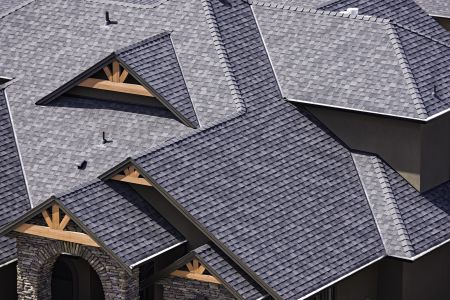
The desert sun in Mesa is no joke. Roofs in Eastmark, Las Sendas, and nearby neighborhoods take years of intense UV, big temperature swings, and gusty monsoon winds. If your roof is aging, a planned roof replacement protects your home and improves curb appeal. Start by learning how materials perform in our climate and how to coordinate with your HOA and city reviews. When you are ready, explore our roof replacement service to see how Roof Tec Exterior Solutions LLC manages projects from tear-off to final inspection.
How Concrete Tile and Asphalt Shingles Perform in Desert Heat
Material choice affects how cool your attic stays, how often you need maintenance, and how your roof handles summer storms. Here is a practical look at concrete tile versus architectural asphalt shingles for Mesa homes.
- Concrete tile: durable shell that resists sun and wind, but its performance depends on the underlayment and proper flashing at every penetration.
- Architectural shingles: lighter and easier to handle, with modern blends that resist UV and heat, but they rely on balanced ventilation and careful nailing to avoid premature wear.
Concrete Tile: Weight, Lifespan, and Underlayment Strategy
Concrete tile can look great in Eastmark and Las Sendas where warm, earth-tone palettes are common. Tile itself often outlasts the first underlayment, so the hidden layer beneath the tile drives long-term performance. On full replacement, pros remove old tile and battens, repair decking, and install a high-temperature synthetic underlayment before re-battening and resetting new tile or carefully salvaged pieces where allowed.
Because tile is heavier than shingles, your contractor evaluates framing and decking and addresses any soft spots or sagging. Expect special attention at valleys, eaves, and around solar stanchions or skylights. A quality tile roof in our climate depends on sealed flashings, raised battens for drainage channels, and clean pathways for water to exit during monsoon downpours.
Architectural Asphalt Shingles: UV Resilience and Ventilation
Architectural shingles are popular across Mesa thanks to strong wind ratings and color variety that fits many HOA palettes. Heat and UV are the enemies, so product selection and ventilation matter. Lighter colors can reflect more sun, and modern shingles include UV-stable binders and granules designed for desert exposure. Balanced attic airflow reduces heat load on the shingle surface and protects the underlayment and deck below.
Never skip a ventilation check during replacement. Pros verify intake at the eaves and exhaust at the ridge or approved vents so hot air escapes and the roof system lasts longer.
Plan around monsoon season when possible. Afternoon storms bring sudden wind and dust. Ask your project manager about staging, weather monitoring, and dry-in targets to keep your home protected during rapid weather changes.
Choosing High-Performance Underlayment for Mesa Homes
Underlayment is your secondary water barrier and your primary heat shield for the deck. Paper products can bake and become brittle in extreme attics. For Mesa, choose a synthetic underlayment engineered for high attic temperatures with strong tear resistance and a stable surface for safe foot traffic.
Use a high-temperature synthetic underlayment with a clearly stated heat rating suitable for desert attics. Look for reinforced scrims that resist tearing at fasteners and a slip-resistant top layer to keep crews safe on hot days. Self-adhered high-temp membranes are often added at eaves, valleys, and dead valleys to help defend against wind-driven rain and splashback.
Field-proven install details make a difference. Pros maintain straight, tight laps; use cap nails where required by the product; and roll surfaces flat so battens and shingles lay clean. At penetrations, they integrate underlayment with form-fitted flashing and sealant compatible with both the membrane and the metal. These choices help the system survive years of attic heat without curling or cracking.
Coordinating With Your Mesa HOA
Most Mesa neighborhoods have design guidelines that protect community appearance. Each HOA sets its own review path, submittal forms, and color rules. Your contractor can help prepare a clean packet so the board can decide quickly.
What Your HOA Packet Should Include
- Product brand and line, color name, and a sample photo that matches the requested finish.
- Layout notes for tiles or shingles, including ridge and hip treatments and metal color.
- Specs for underlayment and flashings so the board sees a complete system, not just the surface.
- Any changes to roof-mounted items like solar, skylights, or satellite dishes.
- Neighbor notifications or signatures if your HOA requires them.
Large communities such as Eastmark and Las Sendas often publish palette standards. Confirm HOA color approval before ordering materials so there are no delays or restocking headaches. If your current roof is fading, match to the official color name rather than the weathered look you see today.
Sample HOA Submittal Timeline
Your project manager helps gather the data sheet, color sample, and site photos. After submission, boards usually need time to review. Response windows vary by association and meeting schedule. Keep communication active so your material order and start date align with the approval notice.
City Reviews and Typical Inspections
Many structural roof replacements involve permit reviews and on-site checks. Requirements can vary based on scope, material, and season. Your licensed contractor will advise on current city processes, pull the necessary permits, and coordinate any inspections that apply to your project.
Expect documentation on materials, ventilation approach, and fastening methods. Some projects include checkpoints after dry-in and again at final completion. The goal is straightforward: a safe, weather-tight roof that meets current standards for your home’s design.
How We Build a Roof That Handles UV, Heat, and Wind
Our process at Roof Tec Exterior Solutions LLC focuses on clean tear-off, precise flashing, and heat-ready components. Tear-off exposes any hidden issues so the deck starts flat and solid. Damaged sheathing is replaced, and fasteners are driven to the right depth to avoid telegraphing through the surface.
For tile replacements, crews set straight battens with proper spacing so water can drain under the field tile. Valleys receive peel-and-stick high-temp membranes and formed metal with raised hems to control runoff. For shingles, we align starter courses, seal edges against uplift, and maintain correct nail placement. Strong corners and sealed flashings matter in fast-moving monsoon fronts.
Attic airflow is tuned to product guidelines and your home’s layout. Baffles keep insulation from blocking intake, and ridge or low-profile vents exhaust heat. This balanced system lowers deck temperatures and helps the underlayment keep its shape over time.
Neighborhood Notes: Eastmark, Las Sendas, and Beyond
Eastmark homes often mix contemporary tile profiles with soft, sun-friendly colors. Las Sendas homes may favor textured tile and natural tones that blend with the desert landscape. In both areas, wind exposure on ridge lines and view lots can be stronger than on interior streets, so fastening patterns and ridge details are selected with that in mind.
If you are comparing architectural shingles in these neighborhoods, ask about cool-toned options that reduce heat absorption while staying inside your HOA’s palette. The right color can shave a bit of heat from the attic on the hottest afternoons and keep the exterior look consistent with your community guidelines.
Underlayment and Flashing Tips From the Field
Desert performance is all about the hidden details. Installers follow the underlayment’s published laps and fastener patterns and avoid overdriving nails that can tear hot membranes. At walls and chimneys, step flashing is layered shingle-by-shingle or tile-by-tile so water never sees a straight path inside.
Penetrations like solar stanchions and HVAC lines get flexible boots or formed flashings sealed to the underlayment, not just the surface. Ridge and hip caps are aligned so wind does not catch an edge. Where dust tends to collect, we maintain clean drainage lines and add protection where splashback can stress the system.
Choose products that list their high-temperature ratings in writing and keep copies in your job file. This helps with HOA records and gives you a clear reference in future maintenance.
Planning Your Project Schedule
Roof work in Mesa moves quickest when weather, materials, and approvals line up. Material lead times change during busy seasons. Crews also stage work to avoid opening large roof sections before a storm cell moves through.
If you are researching options, use the site resources to compare product families and surface styles. For a broader overview and company background, read more starting at our Mesa, AZ roof replacement guide and home hub. You will see how our team sizes projects, selects materials for heat and UV, and coordinates approvals.
Schedule work outside peak monsoon if possible. Your project manager will still watch the radar daily and can secure the home with a strong dry-in if the forecast shifts.
What To Expect During a Professional Roof Replacement
Here is a plain-language walkthrough of a typical replacement in Mesa. Every home is different, but the sequence helps you know what is coming.
Day one is tear-off and deck prep. Crews protect landscaping, remove old materials, inspect the deck, and replace any compromised sheathing. Synthetic underlayment is rolled tight and fastened per the product’s pattern. At vulnerable areas, self-adhered membranes are used to reduce the risk of wind-driven water.
Next comes the surface. For shingles, installers run clean starter courses, set straight field rows, and place nails where the manufacturer specifies. For tile, crews set battens, align courses, and clip or fasten tiles per the profile’s guidance. Flashings at pipes, skylights, and walls are integrated as the field advances.
Final steps include sealing exposed fasteners, painting metal to match approved colors where appropriate, and clearing debris. A walkthrough confirms ventilation paths are open and details like ridge caps, valleys, and gutters look tight and consistent with the plan.
Ready To Replace Your Roof the Right Way?
If your roof is curling, losing granules, or showing cracked underlayment at the eaves, it is time to talk with a local pro. See how we manage schedules, materials, and reviews on our roof replacement page. Then call Roof Tec Exterior Solutions LLC at 480-600-0092 to set a site visit and documented inspection.
Our team installs heat-ready systems that stand up to UV, wind, and dust. We help prepare HOA packets, coordinate permits that apply to your scope, and keep communication clear from start to finish. Your Mesa home deserves a roof that works as hard as the sun shines here.
INVEST IN YOUR ROOF & PROTECT IT WITH OUR GILBERT ROOFING COMPANY. CONTACT US TODAY FOR A FREE ESTIMATE!