Roof Flashing Fixes in Gilbert, AZ: The Tiny Repairs That Stop Big Leaks
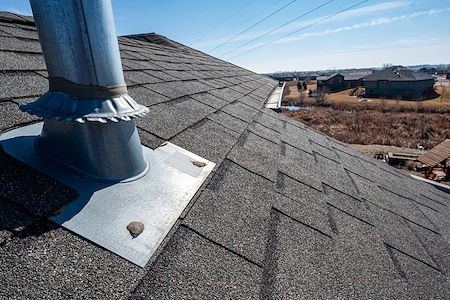
When the first brown spot shows on a ceiling in Gilbert, it is often the flashing talking. Roof flashing is the thin metal that seals joints where water loves to sneak in. Handle roof flashing repair in Gilbert, AZ, quickly, and small problems stay small. If you think water is getting in now, schedule professional attention through our page on roof repairs so a tech can find the source and stop it before it spreads.
Homes in Agritopia, Power Ranch, Val Vista Lakes, Seville, and throughout the East Valley see a tough mix of blazing sun, summer monsoon bursts, and dusty wind. Those forces push on every joint around chimneys, skylights, vents, roof-to-wall transitions, and valleys. The right flashing repair keeps those stress points tight and keeps the rest of your roof out of danger.
What Roof Flashing Does For Your Gilbert Home
Think of flashing as the gasket system for your roof. Shingles or tiles shed most of the water, but flashing does the precision work where surfaces meet or change direction. When flashing is bent wrong, corroded, cracked, missing a fastener, or sealed with the wrong product, water follows the path of least resistance into your attic and walls.
- Chimney and cricket flashing redirects water around the uphill side of masonry.
- Skylight flashing surrounds the curb so downpours do not pool at the frame.
- Valley metal carries heavy flows from two slopes into gutters or scuppers.
- Step and counter flashing protect roof-to-wall transitions under stucco or siding.
- Kickout flashing sends water into the gutter instead of behind the stucco.
- Pipe jack and vent flashing seals around circular penetrations.
Ignoring a small drip near any of these spots can lead to mold, damaged insulation, and ruined drywall. Fast flashing fixes protect the rest of the roof by preventing underlayment from staying wet.
The Usual Suspects: Where Small Flashing Failures Start
Not every leak is dramatic. In Gilbert, the most common flashing issues build slowly, then appear during the first big July storm. Here are trouble spots we often find:
- Chimney flashing that has lifted, rusted, or lacks a proper cricket on the uphill side. Water piles up and slips under the metal.
- Skylight flashing where the curb sealant has dried and cracked from UV exposure. Dust collects, water ponds, and then the stain shows inside.
- Tile roof pan flashing at the roof-to-wall areas, where a single misplaced tile makes the pan act like a funnel.
- Valley metal dented by foot traffic or clogged with granules after wind events.
- Kickout flashing is missing at a stucco wall near the gutter end, so water rides the wall and dives behind the finish.
- Pipe boots with split rubber collars that open just enough for wind-driven rain.
Sometimes these problems work together. A little gap at the skylight, plus a clogged valley upstream, creates more flow and more pressure right where the seal is weakest.
Why Flashing Fails Faster In The East Valley
Our desert climate is hard on materials. UV cooks sealants. Thermal movement flexes the joints every day, especially on the south and west slopes. Dust and debris from outflow winds fill valleys and gather around skylight curbs. Then monsoon bursts slam the roof with sudden high-volume water and wind. That cycle repeats, and a tiny opening becomes a leak path.
Tile, shingle, flat foam, and modified systems all need the right type of flashing. For example, tile roofs rely on elevated pan flashing and careful tile placement so water stays on top of the system. Flat areas near parapet walls need properly lapped metal with compatible sealants so foam or coating stays bonded. Flashing details matter more here because our storms arrive fast and heavy.
How Pros Track Down Hidden Flashing Leaks
A good roofing technician does not guess. They inspect from the eaves up, then from the attic down. They follow stains, check moisture patterns, and test suspect seams. Chimney mortar caps, counter flashing reglets, skylight corners, and kickouts get special attention. On tile, they will lift pieces carefully to view the metal underneath and look for water trails on felt or synthetic underlayment. On flat sections, they check scuppers, drains, and terminations at walls.
If the leak presents only during wind-driven rain, the team looks for vertical water tracks on sheathing or stucco behind the flashing. That is a strong clue that the roof-to-wall step flashing or kickout is the culprit, not the field roofing. When needed, targeted water testing helps confirm the exact failure point so repairs are clean and lasting.
Professional Flashing Fixes That Prevent Bigger Problems
You deserve repairs that hold up to summer heat and monsoon rain. Professional solutions focus on the joint, not just the surface. That can include properly re-bending step flashing, replacing valley metal sections, adding a cricket behind a chimney, and installing a correct kickout where none existed. For skylights, the crew verifies the curb height, replaces compromised flashing kits, and uses sealants rated for the roof system and Arizona sun.
If your ceiling stain appeared after a recent storm, getting a pro on site quickly is key. Use our dedicated page for roof repairs to get on the schedule so the leak can be contained, and the flashing rebuilt the right way.
Chimney Flashing Versus Skylight Flashing
Both protect holes in the roof, but they fail differently. Chimney flashing often struggles on the uphill side where water pressure builds. Without a cricket, water lingers and works under the counter flashing. Masonry also moves differently from wood framing, which can open gaps at the reglet over time. Skylight flashing depends on a sound curb and tight corner seams. If a curb sits too low or sealant has baked off, ponding and wind thrust water past the weakest point.
In either case, the fix is not more caulk. The fix is restoring the metal, laps, and terminations so water is directed away every time it rains.
Valleys, Roof-To-Wall, And Kickouts: Small Parts, Big Payoff
Valleys collect the most water. Replacing a dented or poorly lapped valley section stops the overflow that ruins the underlayment. Roof-to-wall areas need step flashing interlaced with each shingle or carefully aligned with tile. Counter flashing should tuck and seal correctly into the wall system. Kickouts complete the path by pushing water into the gutter at the end of a roof-to-wall run. A missing kickout is a silent wall destroyer, especially on stucco homes across Gilbert and Chandler.
What Homeowners Notice First
Most people call after seeing one of these early warnings:
- A ceiling ring or a soft wall corner beneath a roof-to-wall joint
- Musty attic smell after a sudden storm
- Granules piled in the valley or gutter right below a leak area
- Light staining at the interior edge of a skylight shaft
- Drip at the fireplace chase during wind-driven rain
If any of these sound familiar, this deep dive pairs well with our article on common leaks. You can skim a homeowner-friendly overview here: Navigating common roof repairs. It explains how leaks show up during our weather swings and why quick action matters.
Maintenance That Extends The Life Of Flashing
Regular eyes on the roof make a real difference. Scheduling routine professional care helps catch cracked sealant lines, slipped tiles, loose valley clips, or a missing kickout before water finds the path inside. Thoughtful maintenance is especially helpful for homes with multiple skylights, tall chimneys, or complex roof-to-wall steps like those seen in parts of Cooley Station and Val Vista Lakes.
Want a simple way to build this into your year? Add a recurring visit through roof maintenance so pros can check all the usual flashing suspects and keep your warranty and roof in good shape.
Materials And Methods That Hold Up In Arizona
Your roofer should use metals and sealants that match the roof system and our heat. Aluminum or galvanized steel flashing is common, with copper used in specific designs. On tile roofs, raised metal pans must be correctly sized and lapped. On flat sections, term bars and compatible mastics are used at walls. Sealants should be UV-rated and selected for the substrate, whether that is masonry, stucco, or a skylight curb. Fasteners need to be corrosion-resistant and properly covered. Little choices like these separate a short-term patch from a durable fix.
Choosing a team that works with our local roof types every day reduces risk. At Roof Tec Exterior Solutions LLC, that local knowledge shows up in cleaner repairs and fewer callbacks after the next storm.
Timing Repairs Around Gilbert’s Seasons
Spring and late summer are popular windows for repairs in Gilbert. Early summer gives you time to prepare for the storm cycle, and fall catches any weak spots revealed by the rain. If you live near open fields or construction zones where dust flies, valley cleaning and checks around skylights may need to happen more often. Homes with heavy tree cover near the San Tan corridor also benefit from extra eyes on kickouts and gutters after wind events.
When in doubt, lean on a trusted local crew. Our team is your neighbor, and we understand how to balance heat, winds, and sudden rain when planning repairs. You can always start at our homepage if you are seeking a trusted roofing company in Gilbert, AZ, and want to learn more about our approach.
When Repair Is The Smart Choice
Not every leak points to replacement. If the roof field is sound and the problem is confined to flashing, targeted repairs are often the right move. A skilled roofer restores the water path and keeps the rest of your system intact. That is good news for the many tile and shingle roofs around Gilbert that are in otherwise solid shape.
Repairs also help protect interior finishes fast. Once flashing is corrected, materials dry out, and stains can be addressed. If moisture has been present for a while, your roofer can coordinate with other trades to evaluate drywall and insulation. The main goal is to get the envelope dry, tight, and ready for the next storm.
Ready To Stop That Leak For Good?
If you see a stain, hear a drip, or notice a musty smell after a storm, do not wait. The sooner a pro looks, the easier the solution. Reach out to Roof Tec Exterior Solutions LLC at 480-600-0092, and we will assess your roof, isolate the source, and repair the flashing so your home stays dry. You can also start here to book trusted roof repairs with a local team that knows Gilbert's weather and roof types inside and out.
INVEST IN YOUR ROOF & PROTECT IT WITH OUR GILBERT ROOFING COMPANY. CONTACT US TODAY FOR A FREE ESTIMATE!